

Bright lights, clinking chips, and slow-motion shots of cards sliding across felt have long pulled viewers into casino stories. Slota casino login remains a familiar phrase to many movie buffs, because films often show characters breezing through digital lobbies, clicking over to slotacasino.co.nz before diving into intense slot tournaments. Likewise, when a heist team in a show debates the best reels to hack, one member might rave about Megaways games available at https://writersplot.org.nz/ while comparing them to hometown pokies. Even the suave hero who prefers contactless chips will mention casino perks tied to Apple Pay during a covert slot rendezvous. These quick references do more than fill dialogue; they tell audiences what gambling looks like, sounds like, and even feels like. From classic capers to streaming dramas, the screen is a powerful teacher. It can glamorize risk, warn about danger, or mix both messages in a single scene. Understanding that influence is the first step to watching with clear eyes.
Glamour and Glitz: The Casino as a Character
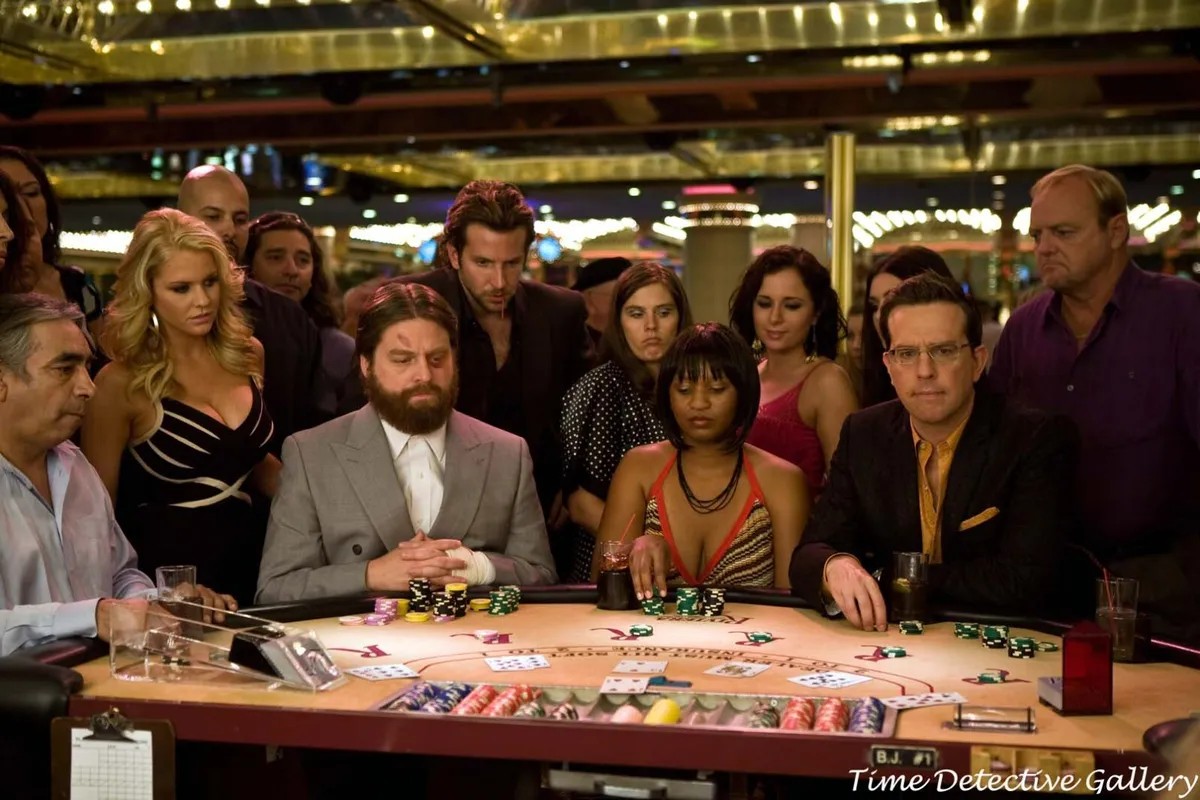
Many popular films feature casino settings as a central character; directors bathe them in golden light while overhead cameras capture winners clapping for luck at each table, promising luxury, instantaneous success, and instant status for each filmgoer who enters. Viewers witness heroes dressed in tuxedos, villains in silk gowns, and piles of chips stacked as high as wedding cakes; all this to tell their audience that they, too, could experience glory! Sound design adds another shine. The steady pinging of slot machines mingles with jazz bands and delighted screams for an immersive soundtrack that lasts long after the credits roll. Costume choices ranging from emerald cufflinks to diamond bracelets complete the magic. By strategically layering these cues, storytellers create dream factories in ordinary betting halls. Audiences rarely notice details like absent smoke haze or long lines at the cashier’s cage that undermine the illusion. Stats from off-screen visitors suggest most leave with lighter wallets rather than champagne toasts; yet storytellers keep rolling, convincing viewers that luck awaits beyond the velvet rope, giving audiences hope they cannot get anywhere else in real casinos.
Join the PERA (Personal Entertainment Research Assistant) waitlist.
The World's Most Indispensable Movie App
The RunPee app tells you the best times to
run & pee during a movie
so you don't miss the best scenes.


Download the RunPee app.
100% free (donation supported)


High Stakes Drama: Risk, Reward, and Storytelling
Betting scenes add tension to any story, drawing the audience’s focus toward every turn of a card and prompting heart palpitations in response. Writers frequently employ game mechanics in character choices. An unscrupulous player doubling down unexpectedly reveals an undercurrent of desperation; an irresponsible gambler folding unexpectedly shows unexpected growth – these moments keep viewers guessing while teaching subtle lessons about risk. The size of a bet often mirrors its associated personal stakes: love, freedom, revenge or plain survival. Camera techniques heighten suspense: close-up shots on sweat-drenched foreheads or quivering fingers make viewers aware of a million-dollar pot being on offer. Cutaway shots to supportive friends or bitter rivals provide emotional context and can evoke strong reactions in viewers who may never have played poker themselves. Even those unfamiliar with its rules can still sense its adrenaline-charged thrills; real tables may involve lengthy waits between cards or spins but these pauses have been deleted to train your brain to expect constant thrills; this selective pacing creates an effective hook, training your brain to expect constant thrills without boredom setting in; by wrapping personal drama around simple game rules movies and shows ensure every coin flip feels like life or death!
The Shadow Side: Addiction and Consequences on Screen
Not every casino tale sparkles. Many filmmakers shed an unflattering light on problem gambling, revealing its harmful potential. A montage of maxed-out credit cards, pledged wedding rings, and tearful family meetings tells its own tale without needing dialogue to convey meaning. Viewers observe a once-confident high roller’s descent into sleepless nights and restless mornings as their once heroic victories become hollow victories, reminding audiences that odds typically favor the house. Storytellers show this decline by depicting its trajectory. Yet even these cautionary stories utilize cinematic techniques to keep the audience’s interest. Stark lighting, echoing soundtracks, and tight camera angles immerse viewers in character anxiety. Filmmakers know their audience can fill in any details themselves when watching scenes depicting payday loans and overdue notices for themselves; that brief glimpse can suffice to highlight how debt chains tighten quickly. Middle schoolers get the message clear enough: taking too much risk can cost more than money. Paired with glamorous depictions from earlier acts, its message hits harder. It adds reality to fantasy tales while discouraging viewers from following screen-inspired rushes blindly.
What people are saying
about the RunPee app.

Movie Watching Must Have!!
I go feral for this app. I love it so much and I wish everyone knew about it and used it. It is incredibly useful and I would be devastated if this app ever disappeared. Things I love: 1) the pee times! It’s so handy to know the best time to go and then read the synopsis of what’s happening while I’m gone. I never have to worry about missing the good bits! 2) knowing if there is a post-credits scene or not. This might be my fav feature because I would have missed out on some pretty critical scenes if it weren’t for RunPee. 3) the movie review and viewer rankings. This info has made me watch some movies that I normally wouldn’t and it’s nice seeing things outside of my usual scope. 4) that it’s a small family run business. I love shopping small and it really does feel like I’m part of the RunPee family! If you reach out to them, Dan will personally respond to you and he is so warm and helpful. GET THIS APP AND THEN SUBSCRIBE! It is absolutely worth it and you’ll be using it again and again!
View all reviews
Apple App Store | Google Play Store
Download RunPee app


What Viewers Take Away: Tips for Critical Watching
Entertainment should still be thrilling without becoming an instruction for risky behavior, provided we watch with curiosity rather than blind trust. When watching, ask what this casino scene brings to the plot – does its glitter contribute anything new or just decorate the background? In addition, keep track of who wins and loses. Be wary if a character manages to open an account without difficulty; remember, the odds are much less in your favor in real life! Third, pay attention to any cutaways; admiring friends or worried partners may shed light on consequences hidden by the main focus character. Parents and educators can use these cues as conversation starters with young viewers of drama to distinguish it from everyday reality. If the child has access to real tables, setting a budget before gambling helps keep fantasy at bay. Finally, compare on-screen bets to something tangible like grocery costs – doing this helps bring choices back down into reality and reduce their mystique. And keep this in mind: movie narratives tend to condense hours of play into momentary triumph or sorrow, while real games last much longer and cost much more compared to their movie equivalents, and rarely end with swelling music and rolling credits!