

Some gambling films use casinos as pressure chambers. The cards, machines, race books, and sports tickets matter because they expose what a character is already hiding. Debt, shame, family conflict, and criminal pressure turn every wager into a scene about control slipping away.
The strongest movies in this area remove the glossy fantasy. They show the fluorescent fatigue of poker rooms, the gray morning after a losing streak, and the way financial loss spreads into homes, jobs, friendships, and safety.
Films That Show Gambling as Consequence
Movies about gambling work best when directors treat chance as a source of tension rather than glamour. The camera watches faces before results, follows bodies through cramped rooms, and makes silence feel heavier than the sound of chips. Character downfall comes from repeated decisions, not one unlucky night.
Join the PERA (Personal Entertainment Research Assistant) waitlist.
The World's Most Indispensable Movie App
The RunPee app tells you the best times to
run & pee during a movie
so you don't miss the best scenes.


Download the RunPee app.
100% free (donation supported)


Addiction
The Gambler from 1974 centers on Axel Freed, a literature professor whose gambling addiction creates debt, danger, and emotional damage. James Caan plays him as intelligent and self-destructive, which makes the film colder than a simple cautionary tale. The story does not present betting as rebellion; it presents it as a compulsion that eats through judgment.
Owning Mahowny takes an even quieter route. Philip Seymour Hoffman plays a bank employee whose gambling problem leads to embezzlement and a severe collapse. The film avoids flashy casino fantasy and instead shows exhaustion, secrecy, and repetition.
What people are saying
about the RunPee app.

November 17, 2019
One of the most useful apps I've ever come across. I've used it for years and recommended it to all my friends. Even if I'm not the type to have to pee during movies often, being able to pull up the app and pass my phone to my mom/friend/grandma so that they know when to go to the bathroom has been invaluable. Because then I don't have to summarize anything when they get back!!
View all reviews
Apple App Store | Google Play Store
Download RunPee app


These films show addiction through behavior instead of speeches:
- Characters lie even when the truth would cost less.
- Winning does not end the pattern, because the next risk arrives fast.
- Private shame grows when family members sense missing money and missing trust.
Debt
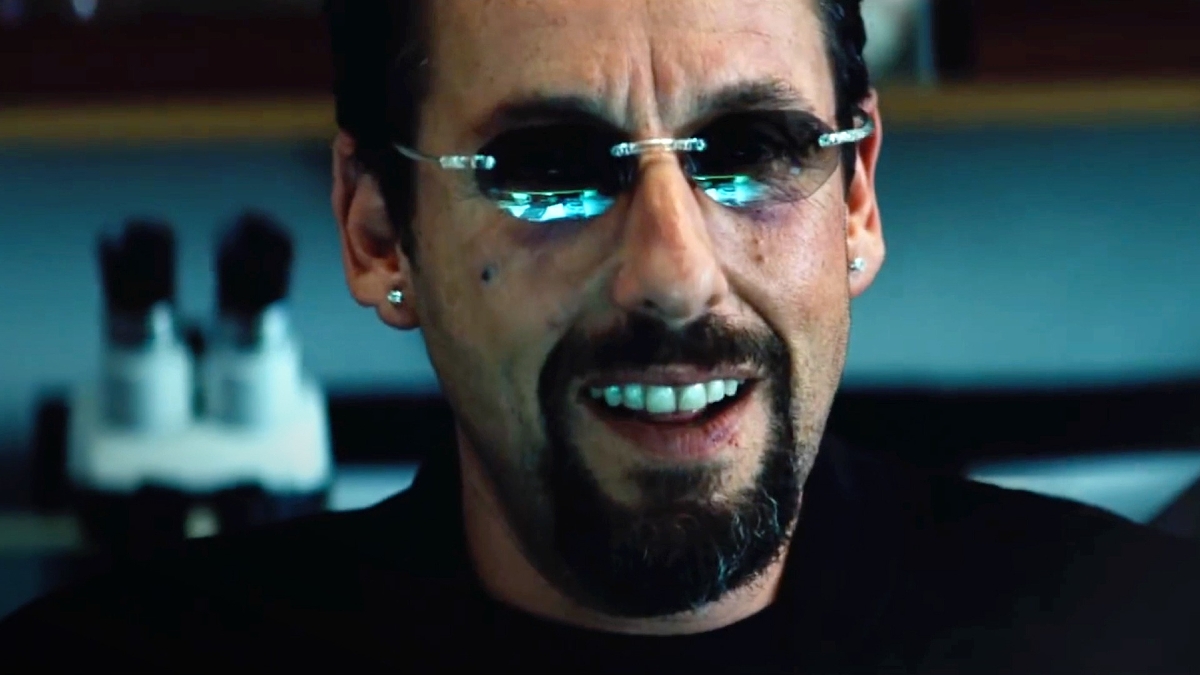
Uncut Gems makes debt feel physical. Howard Ratner moves through New York with creditors, relatives, employees, clients, and criminals pressing in from every direction. The Safdie brothers use overlapping dialogue, tight framing, and constant motion to make the audience feel trapped inside his stress.
The sports betting scenes matter because Howard treats a wager as rescue, not recreation. Basketball becomes another screen for panic, hope, and delay. The film refuses to make his risk look cool; every victory only moves him closer to another demand.
Debt in these films works through concrete story details:
- A late phone call turns a private loss into public fear.
- A borrowed sum changes friendship into leverage.
- A missed payment gives criminals control over the next scene.
- A family conversation becomes colder once money disappears.
A movie audience does not need a guide to understand the visual language of reels, symbols, and reward sounds. Viewers who want brief entertainment can go to TheOnlineCasino and view these online slots in breaks between movies.
Criminal Pressure
Casino films also show how gambling links to criminal systems. Casino by Martin Scorsese surrounds its characters with surveillance, skimming, violent enforcement, and business control. The Las Vegas setting looks expensive, but the film keeps showing the machinery behind the glamour.
Criminal pressure changes the meaning of risk. A bad bet does not stay personal when lenders, fixers, guards, and partners enter the story. The stakes become physical, social, and legal, so the casino floor turns into a public face for private danger.
Poker Rooms
Poker rooms allow directors to show skill, bluffing, patience, and self-deception at once. Rounders uses underground games, debts, and tense rooms to show how a talented player gets pulled back into an environment that tests discipline.
California Split takes a looser, sadder approach. Robert Altman follows gamblers through poker, racetracks, and casino spaces with restless sound and casual movement. The film captures the thrill of companionship, then drains it by showing how the rhythm never truly stops.
Poker scenes reveal risk through social behavior:
- A player watches silence more closely than words.
- A room changes when one person starts chasing a previous loss.
- Money on the table turns friendship into performance.
- A confident face hides fear of exposure.
- The final hand matters less than the pattern that follows it.
Risk Beyond the Casino Floor
Disclosure Day sits outside casino cinema, but Spielberg’s 2026 sci-fi thriller still fits the theme of hidden truth under pressure. Its story about evidence of extraterrestrial life becoming public mirrors gambling dramas where secret debt, lies, or criminal ties finally come to light. In both cases, tension comes from exposure rather than spectacle. The danger grows once private knowledge moves into public view.
A Clearer Way to Watch Gambling Stories
The best gambling movies do not need moral lectures. Their power comes from showing pressure in specific places: a pawned object, a late phone call, a family argument, a quiet bank office, a crowded sportsbook, or a poker room after midnight. Each detail makes risk feel ordinary and destructive.
For a movie and entertainment audience, that distinction matters. Gambling becomes a way to study character. Directors use visual tone, sound, cramped spaces, and repeated choices to show how risk narrows a life. The strongest films leave clear choices and lasting personal costs.