

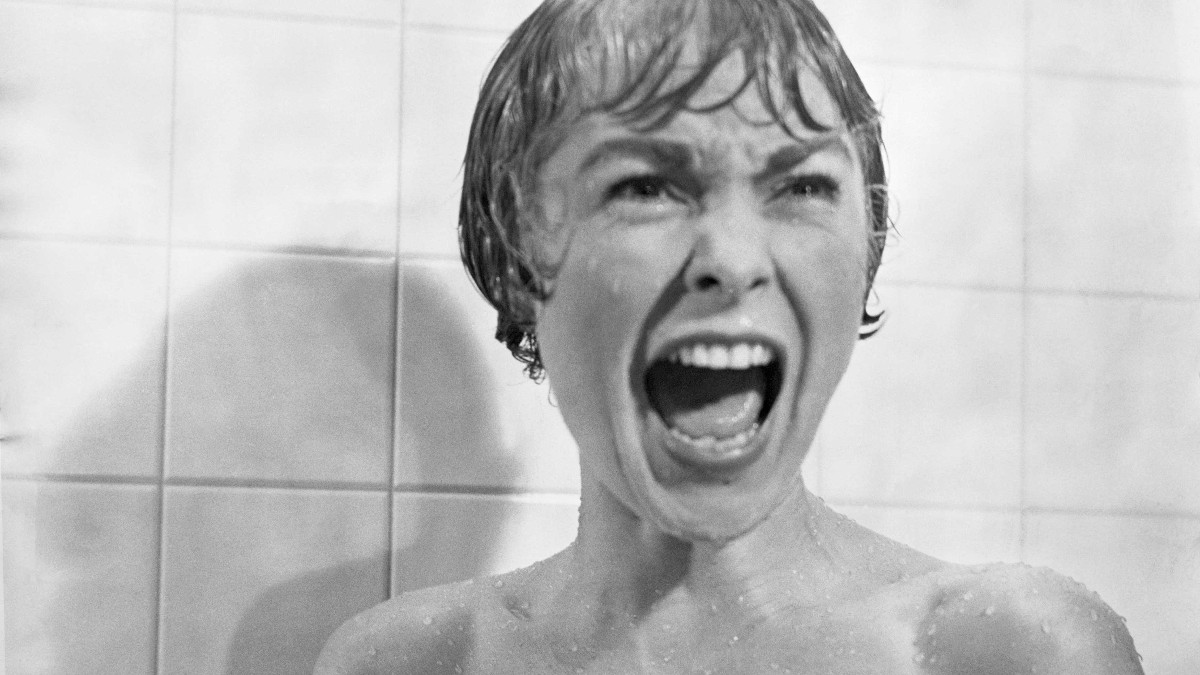
From the heart-stopping strains of Bernard Herrmann’s score in “Psycho” to the adrenaline-fueled vehicular mayhem in “Mad Max: Fury Road,” the thriller genre has fine-tuned the alchemy of keeping audiences riveted. But what’s the neuroscience behind this gripping cinema magic? How do masterful filmmakers transfix us, elevating our heart rates to palpitating heights? Dive with us into the labyrinthine techniques that contribute to crafting narratives dripping with suspense, and explore the fascinating reasons why our brains are hardwired to crave these tension-laden escapades.
Elements That Drive Suspense
Visual and Auditory Components
Suspense isn’t a solo act; it’s a full-on orchestra of sight and sound. Alfred Hitchcock, the maestro of dread, understood that suspense envelops you, not just in what flickers across the screen but also in the sounds that echo around you. Visual cues—think of tight close-ups on sweaty brows or lingering shots on ominous shadows—serve as the brushstrokes in a complex canvas. On the auditory front, the staccato of a string section or the eerie hush of sudden silence telegraphs imminent danger, tingling your senses.
Join the PERA (Personal Entertainment Research Assistant) waitlist.
The World's Most Indispensable Movie App
The RunPee app tells you the best times to
run & pee during a movie
so you don't miss the best scenes.


Download the RunPee app.
100% free (donation supported)


Choreography of Pacing and Structure
Tempo matters. Get it too frenetic, and you risk sensory overload; too sluggish, and you’re in Snoozeville. Filmmakers employ surgical precision in editing to balance this delicate equilibrium. They know just when to toss in a plot curveball or unveil a mysterious new character. This wizardry with pacing is like a conductor guiding an orchestra, ensuring we’re not just listening but fully absorbed, anticipating each crescendo.
While the expertise of filmmakers lies in using elements like tight editing and suspenseful music to keep audiences engaged, other forms of entertainment will feature music in a key role. For example, the gaming sector employs thematic music to add to the games. This can be seen especially in an online casino, where curated soundtracks will feature alongside advanced graphics. This includes a wide array of gaming options, like live tables for poker, blackjack, and baccarat, where participants can engage with real-life dealers and opponents.
What people are saying
about the RunPee app.

Single best investment
By and far best investment Ive made. I used to drive my husband nuts because Id be a fidgeting mess the last half hour of the movie trying not to miss important parts. Now I just turn this app on and *bam* I can actually focus on the movie the whole time. Even puts alerts to my watch so even better. Also I can guarentee all the 5 reviews arent fake as one person accused - its just that so many of us movie-goers had the same problem and this fixed it. Yes, it is paid but jeeze its expensive to keep watching movies and updating an app for every movie. And if you read more about the creator he mentions he has several people contributing - so yeah its paid but omg worth every cent. 10/10
Developers note: the RunPee app is now, and always will be, 100% free. Donations are optional.
View all reviews
Apple App Store | Google Play Store
Download RunPee app


The Psychological Aspects
The Role of Uncertainty
Uncertainty serves as the secret spice in the suspense recipe. Thrillers plunge viewers into a labyrinth of chaos, only to delight in pulling the proverbial rug from beneath their feet. This topsy-turvy, disorienting effect hooks into our inherent curiosity and craving for resolution, fueling our emotional investment in the story.
Emotional Payoff
Of course, the pinnacle of any suspenseful journey is the emotional payoff. Filmmakers comprehend that after a whirlwind of tension, audiences yearn for a cathartic denouement—be it the resolution of a twisted conundrum or the downfall of a villainous antagonist. This climax acts as the crowning jewel, rewarding viewers for their emotional and intellectual investment.
In a nutshell, the alchemy of suspense thrives on a confluence of artfully blended components—from the savvy use of visual and auditory cues to the expert manipulation of pacing. But the magic of these suspenseful tactics extends far beyond the silver screen, infiltrating various entertainment forms engineered to enthrall, engross, and utterly captivate us. So the next time your pulse quickens at a climactic cinematic moment, pause to admire the artful symphony of elements choreographed to keep you spellbound.