


How Real Disasters Shape Fiction

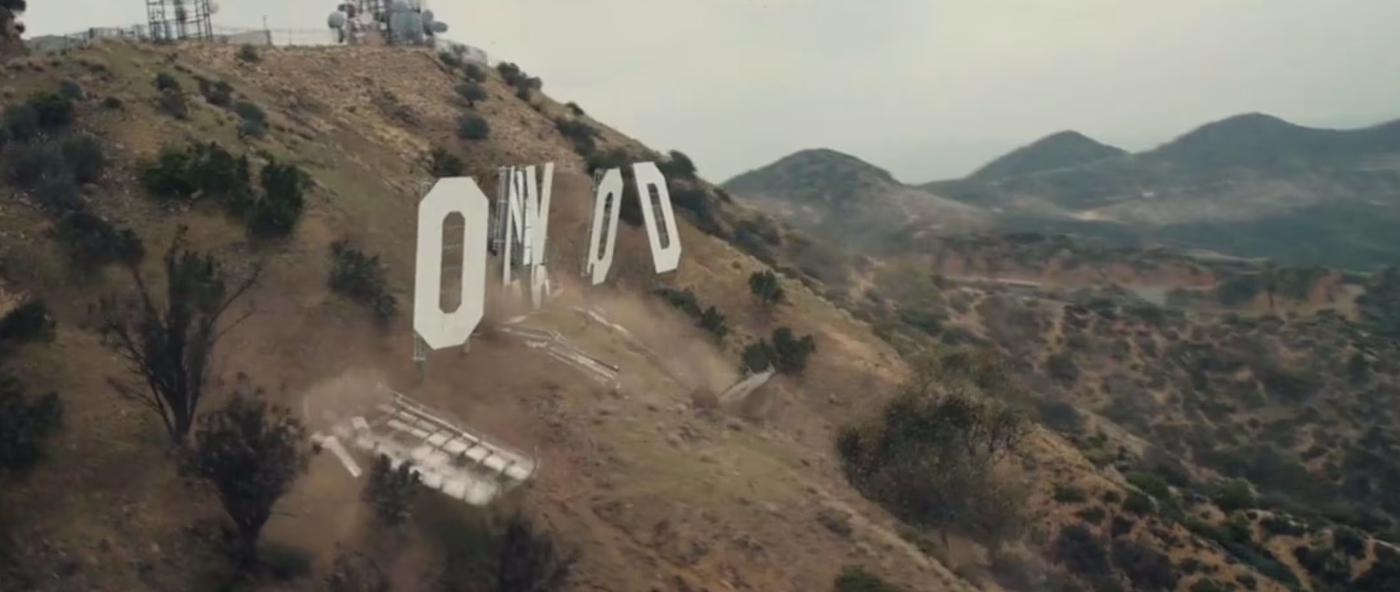
As I write, the fires are still burning in Los Angeles. When it will end and how bad it will be, no one yet knows. But I do know this: Los Angeles will never be the same. Fire may not come to every home, but no person in the LA metro will be unaffected. The psychology of the city will be forever changed, and because Los Angeles/Hollywood is the global center of the entertainment industry, the impact will trickle down through entertainment for generations to come.
Temporary Disaster Sanctuary
Obviously, don't expect to see a disaster film of any kind set in Southern California anytime soon. The most obvious analogy is New York City before and after 9/11. Here is a far from exhaustive list of disaster movies set in, or around, NYC prior to 9/11.
| Title | Year | Type of Disaster |
|---|---|---|
| King Kong | 1933 | Giant ape attack |
| When Worlds Collide | 1951 | Earth's destruction |
| The Day the Earth Stood Still | 1951 | Alien invasion |
| Planet of the Apes | 1968 | Post-apocalyptic |
| Meteor | 1979 | Asteroid threat |
| Escape from New York | 1981 | Post-apocalyptic |
| Ghostbusters | 1984 | Supernatural |
Then, the late 1990s, turned NYC into a disaster magnet.
| Title | Year | Type of Disaster |
|---|---|---|
| Independence Day | 1996 | Alien invasion |
| Godzilla | 1998 | Monster attack |
| Deep Impact | 1998 | Comet impact/tsunami |
| Armageddon | 1998 | Asteroid threat |
| The Siege | 1998 | Terrorists |
Post-9/11 there wasn't another disaster movie set in NYC until Roland Emmerich (Of course, Roland Emmerich.) put NYC front and center of a weather disaster with The Day After Tomorrow released in 2004. Since then, there's been a few other disaster movies set in NYC.
| Title | Year | Type of Disaster |
|---|---|---|
| The Day After Tomorrow | 2004 | Climate disaster |
| I Am Legend | 2007 | Post-apocalyptic virus |
| Cloverfield | 2008 | Monster attack |
| 2012 | 2009 | Global catastrophe |
| The Avengers | 2012 | Alien invasion |
| World War Z | 2013 | Zombie outbreak |
Following 9/11, an unwritten rule was that NYC was off-limits to fictional disasters. It would have been... Tasteless. Spider-Man 2002 famously had a trailer featuring the Twin Towers, which was edited out and put on a shelf, only to see the light of day when YouTube became a thing.
https://www.youtube.com/watch?v=JMG5Td1839k
What sticks out more than just the number of disaster movies set in NYC is the nature and tone of the disasters. Whereas pre-9/11, there was a strong sense of spectacle in the portrayal of disasters in NYC; afterward, disasters depicted the impact on individuals, their struggles, and the heroism of the everyday man. More than anything, the role of first responders was elevated to war hero status.
The New Normal
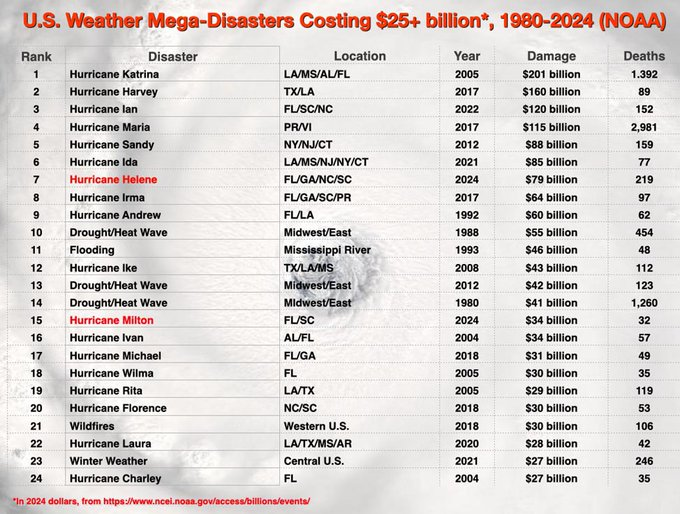
Today, the unfolding disaster in Los Angeles is in the headlines. Unless you have your head in the sand, you know that disasters are increasingly more frequent. Below is a chart of the most costly weather disasters in US history. Notice that all of the top-8 have occurred since the year 2000. Make that all of the top-9, because the LA fires will unquestionably make it high up on this list. Of those in the current top-8, all have occurred since 2012, except for Hurricane Katrina. Basically, for the past 10 years we're averaging about one top-10 disaster each year.
Disasters aren't things we watch on the news anymore. They're in our backyard. I live in Swannanoa, North Carolina—just outside Asheville. Just a few months ago, I was standing on the road below my house, watching mobile homes and other debris drift past in the swollen waters of the Swannanoa River; a river that my wife and I can wade across in the summer in knee-deep water to reach the park on the other side. But that morning, the water was 27 feet deep. We were one of the fortunate ones and only had four large oak trees blow over, none of them doing any damage to the house and only minor damage to our truck.
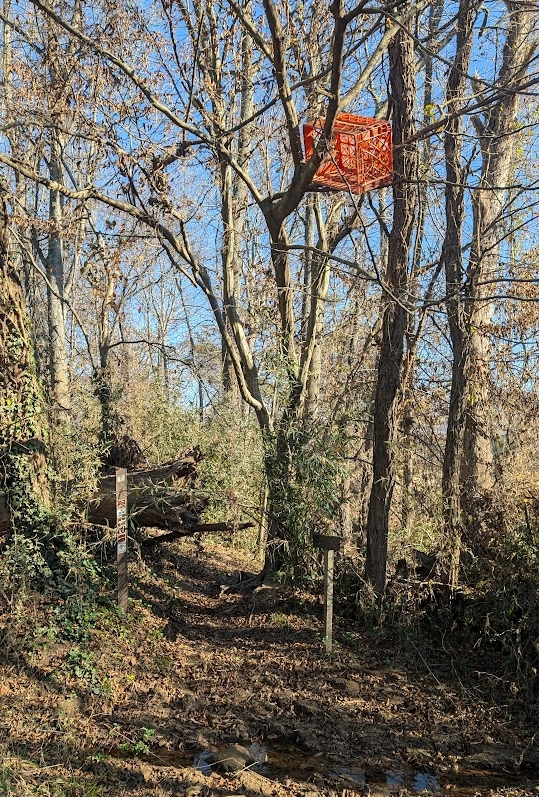 A crate stuck high in a tree, left behind after the Swannanoa River flood from Hurricane Helene.
The tone of disaster movies are sure to change to keep up with the times. The days of disaster as spectacle are likely at an end, or nearly so. That's because too many people in the audience will have experience with disasters first hand and they'll be able to spot anything that doesn't feel authentic.
Movies Reflect What Writers Experience
As a rule, every movie begins as an idea in the imagination of a writer. And writers write best what they experience most deeply. Last week I would have wagered that most writers have never experienced a natural disaster firsthand. But today, that has changed. Writers around LA are soaking up experiences that we will see reflected on-screen in the years ahead. Maybe the action will be slightly more personal and gritty because the writer experienced what it's like to abandon their car and run through a stranger's backyard, jumping over fences to escape the approaching flames. Or maybe the writer returns to a favorite hangout to find it in ashes, leading to a feeling of profound grief, not for a few walls and furniture, but the social interactions with people they knew but didn't know. People they wish they could reach out to and console but have no connection outside of a location that no longer exists. Imagine the sorrow this will instill and the inspiration that will result.
Writing is indeed the best therapy, and Los Angeles's writers will transform this tragedy into art. But unlike the spectacle-driven disaster films of the past, these stories may be quieter, more personal. They might not focus on the flames themselves, but on the smoke that lingers, the communities that reform, and the city that rebuilds. Just as 9/11 forever changed how New York's stories were told, these fires will likely reshape Los Angeles's narrative voice. The question isn't whether these stories will be told, but how they'll reflect the profound ways the city's heart has been scorched and renewed. In Hollywood, where every story begins with 'what if,' creators are now living through their own apocalyptic 'what if' scenario. The stories that emerge won't just be about survival – they'll be about transformation, resilience, and the price of calling Los Angeles home.
Comments
No comments yet — be the first.