


What Can Slot Volatility Teach Us About Why Some Movies Feel Slow and Others Hit Hard?
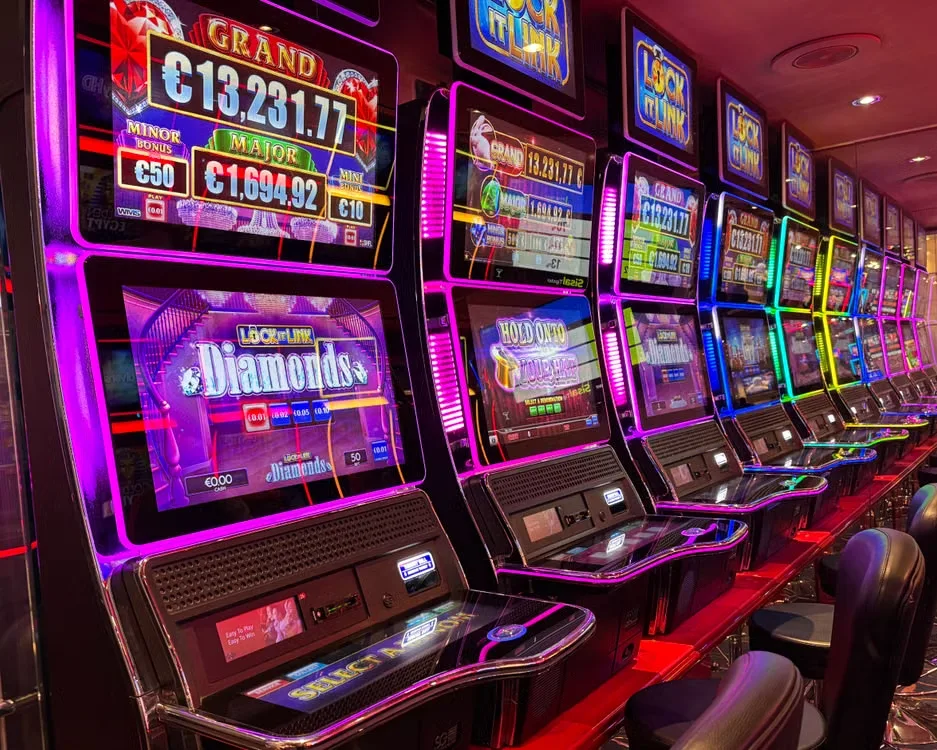
Slot volatility measures the frequency and size of payouts. Some machines deliver steady small wins and keep the session moving. Others hold back for longer stretches, then land a much larger return. That same pattern helps explain why one movie feels active every few minutes while another takes its time and then lands a powerful final stretch.
Screen pacing works in a similar way. Certain films stack scene after scene with visible progress, quick tension, and regular payoff. Others create distance between those moments, asking the viewer to sit with uncertainty, silence, or slow-building pressure before anything breaks.
Gamesville makes that difference easy to understand because its slot library shows how varied payout rhythms can be across game types and styles. For players comparing spin patterns, hit rates, and payout swings, reviews of every Gamesville game give useful context on how each machine feels across a session. That same gambling logic applies cleanly to movies: rhythm shapes expectation, and expectation shapes impact. A film that pays off often creates momentum. A film that waits can create a stronger release when the moment finally lands.
Volatility gives a practical way to read pacing
Most pacing discussions stay vague. People say a movie is slow, fast, boring, or intense, but those labels miss the structure underneath. Volatility gives a cleaner frame. In slots, low volatility means frequent small payouts with lower swings. High volatility means longer dry spells and fewer wins, balanced by larger spikes. Translate that into film, and the pattern becomes easy to spot.
A low-volatility movie delivers regular movement. New information appears often. Tension gets answered quickly. Set pieces arrive on schedule. The audience rarely sits in uncertainty for too long. A high-volatility movie spaces out its major rewards. It may hold on a conversation, routine action, or unresolved threat far longer than mainstream pacing usually allows. The result can feel empty to one viewer and gripping to another, based on what they expect a movie to return for their attention.
This framework matters because pacing is not simply about speed. A film can move slowly and still feel loaded with pressure. Another can move quickly and feel thin. Volatility helps separate rhythm from value. The real question is how often the movie pays out and how large those payoffs feel when they arrive.
Low-volatility films keep feeding the audience
Low-volatility cinema works through constant reinforcement. The audience gets regular signs that the story is advancing, the stakes are clear, and the next reward is close. That reward can be action, a reveal, a joke, a scare, or a small emotional turn. Because the gap between payoffs stays short, the viewer remains oriented and engaged without needing much patience.
Independence Day is a clean example. Early on, giant ships appear, landmarks are threatened, and destruction arrives at a huge scale. From there, the movie keeps supplying visible gains: dogfights, speeches, jokes, tactical plans, and repeated bursts of spectacle. The structure behaves like a machine that lands frequent returns. No single beat has to carry the whole weight because the film keeps paying in short intervals.
Horror can do the same thing. The Conjuring relies on a high frequency of recognizable scare beats: clocks stopping at 3:07 AM, clapping in the dark, movement behind a hanging sheet, and sudden appearances every few scenes. Each moment confirms the threat before tension has time to flatten. That steady payout rhythm makes the movie highly accessible. Viewers always feel the film is giving them something concrete for their attention.
High-volatility films delay returns and raise the stakes
High-volatility films operate with more risk. They ask the viewer to stay invested through longer stretches where little seems to happen on the surface. The payoff structure is sparse, but the intended reward is much larger. When this works, the final effect can be overwhelming because the film has stored pressure instead of releasing it in small doses along the way.
Arrival shows this clearly. The central action is restrained. The alien presence remains still and unreadable, and much of the story turns on translation, waiting, and uncertainty. There is no constant feed of action scenes to reassure the audience. The movie withholds its biggest narrative return until late, then delivers a conceptual and emotional turn that changes the meaning of everything before it. That is high-volatility design: a long drought followed by a major hit.
Hereditary pushes the same logic into horror. For most of its runtime, it refuses to provide regular scare payouts. Instead, it traps the viewer inside grief, unease, and domestic breakdown. The result is a mounting psychological deficit. When the final act arrives, the film cashes that pressure all at once through a severe run of images and revelations. For some viewers, that delayed release hits far harder than a sequence of smaller scares ever could.
Expectation decides whether pacing feels rewarding or frustrating
The same structure can produce opposite reactions depending on the viewer. A person who wants frequent narrative returns will often reject a high-volatility film as slow, empty, or self-important. Another viewer may find a low-volatility movie too predictable because the pattern of reward becomes obvious early. Pacing, then, is partly a match between what the film offers and what the audience came expecting.
Genre plays a major role here. Popcorn action and traditional thrillers usually lean low volatility because they are built around steady engagement. The audience expects clear progression, regular conflict, and visible movement. Art-house horror, prestige drama, and epics often tolerate higher volatility because part of the payoff comes from extended tension, mood, and delayed interpretation. The structure asks for patience in exchange for a stronger later effect.
This helps explain why the phrase slow burn divides opinion so sharply. For one viewer, it means discipline and confidence. For another, it means the machine has not paid in too long. Neither reaction is irrational. Both come from an internal sense of expected return. Once you frame movies this way, complaints about pacing become less mysterious and far more specific.
Directors shape emotional force by controlling payout rhythm
Strong directors understand that impact depends on spacing. If every scene lands at maximum intensity, the audience adapts, and the effect weakens. If nothing lands for too long, attention starts to drift. The craft lies in managing when to pay out, how much to release, and what kind of return the audience receives. That is pacing at its most technical.
Low-volatility films use consistency to keep energy stable. They create trust by showing the viewer that progress will arrive regularly. High-volatility films use restraint to make each major beat feel earned and destabilizing. Neither method is superior on its own. Each serves a different emotional design. One keeps the pulse steady. The other stretches the gap between beats until the next hit lands with greater force.
That is why volatility is such a useful lens for film. It turns a fuzzy topic into something measurable in feeling, if not in numbers. When a movie feels slow, the issue may not be slowness at all. It may be delayed payout. When a movie hits hard, the force often comes from how carefully it managed the wait before release. Good pacing is less about speed than about rhythm, expectation, and the size of the return when the moment finally arrives.
Comments
No comments yet — be the first.